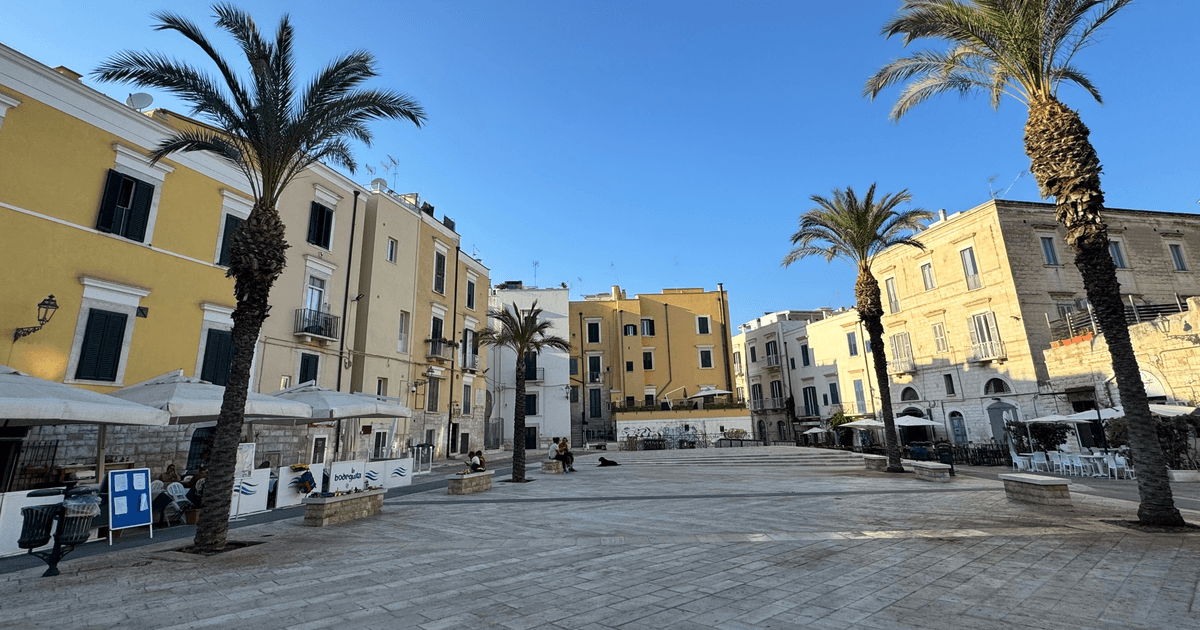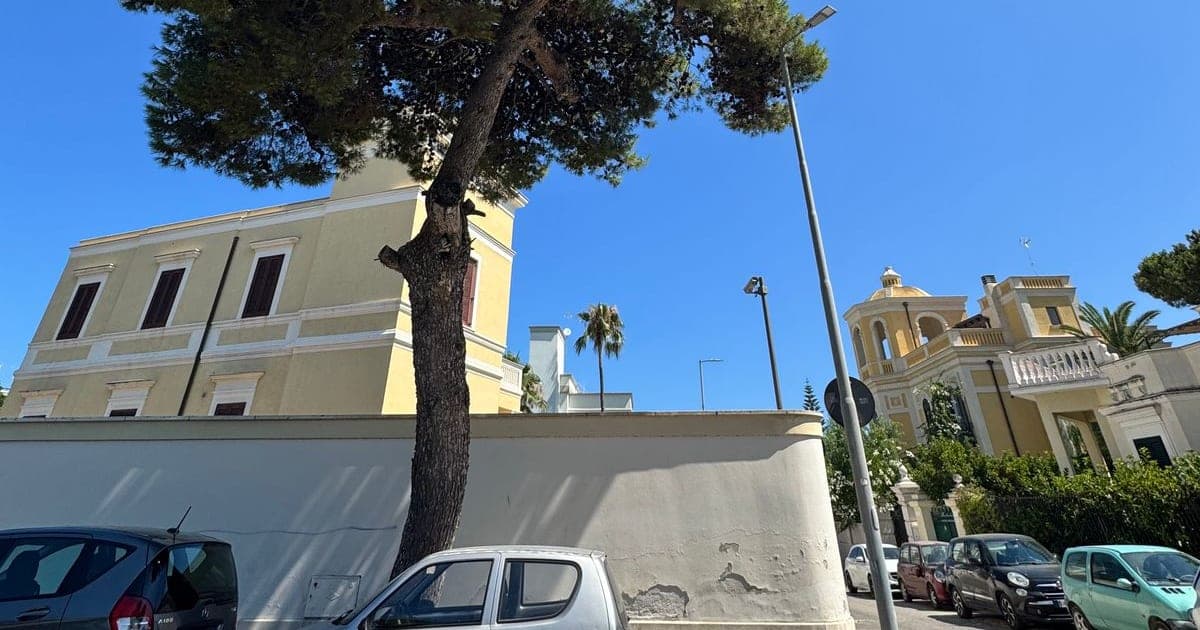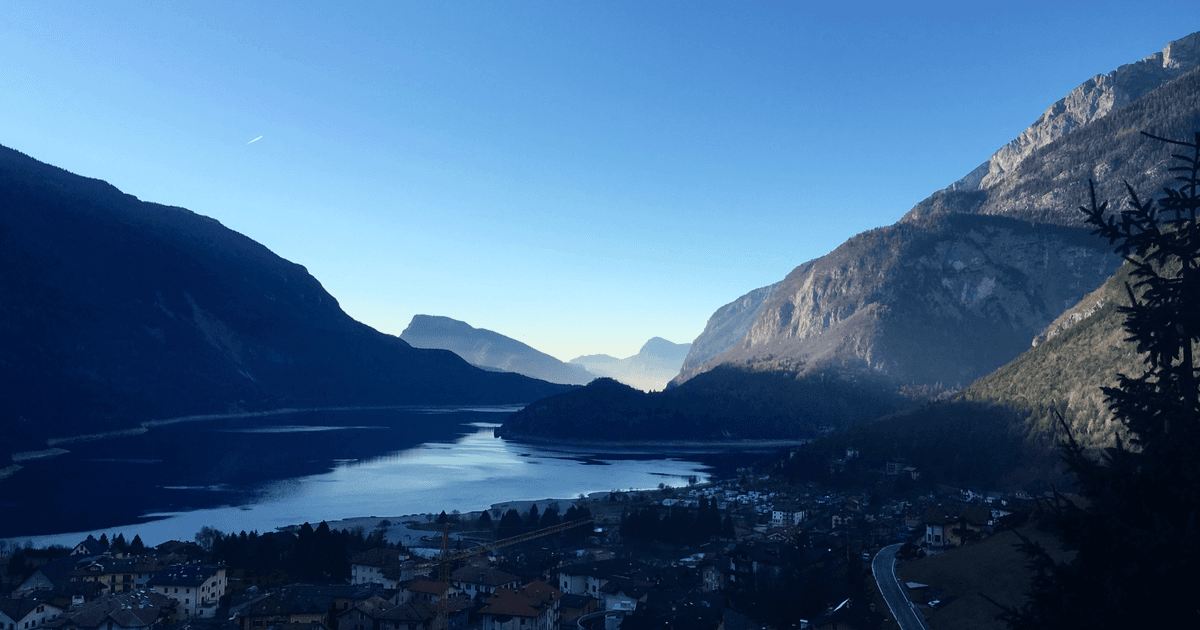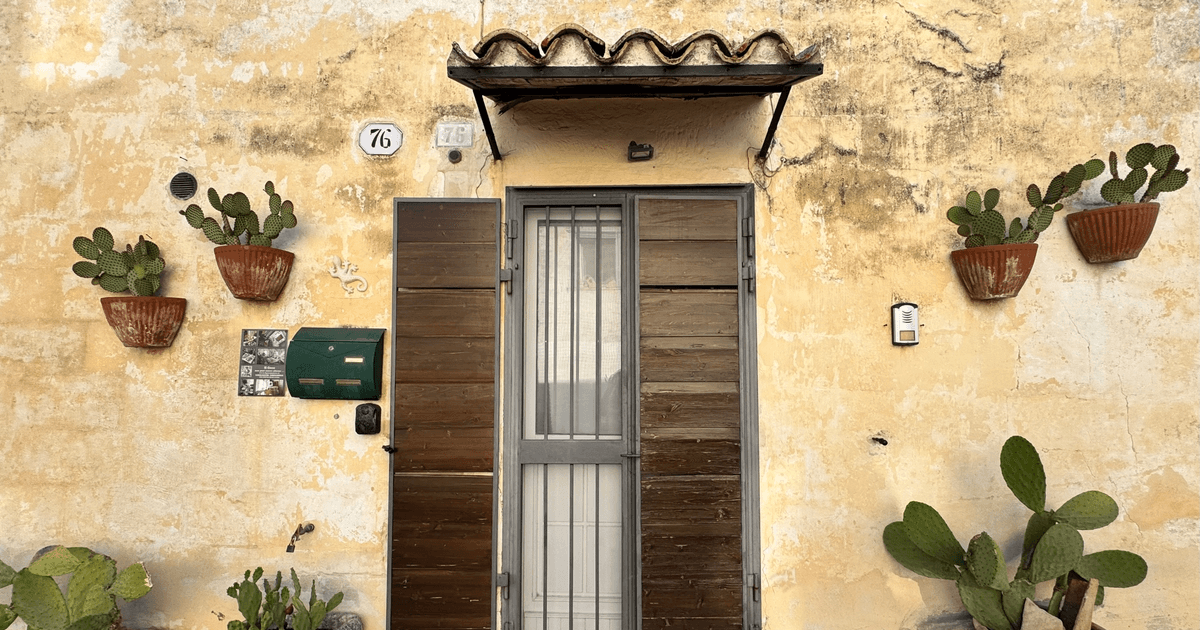
Imagine you and your partner are planning to retire in Italy. You want an affordable home, mild winters, good healthcare and a town that feels like a community all year. Where do you begin?
I'd start with the numbers. But I wouldn't stop there.
How do you know where to start looking?
An affordable home. Set a working budget of around €1,000 per square meter and explore official OMI purchase-price estimates by comune. OMI is a reference range, not the price of a specific apartment.
A winter you enjoy. Use average January daily minimum temperatures to look for places averaging above 5°C. These climate estimates cover 2015–2024, not next January's forecast.
Healthcare you can rely on. Compare regional healthcare measures, checking prevention, community care and hospital care separately. Our couple wants all three NSG scores to clear 60. That still doesn't identify the hospital or specialist they'll use.
A town with a life beyond summer. Check tourist beds per resident and tourism seasonality. The figures come from 2024 accommodation statistics, not a survey of winter shop openings.
Galatina looks promising. So why wouldn't we choose it yet?
Galatina looks promising. Our October 20 editorial extract shows an OMI figure of €742/m², January lows averaging 8.1°C, and 0.02 tourist beds per resident. Puglia's three NSG scores were 85, 76 and 81.
Two familiar alternatives illustrate how a shortlist changes. Ostuni was €1,468/m², above the couple's price guideline. Noto was €868/m², but Sicily's NSG prevention score of 49 falls below their chosen threshold. Neither is a bad town. They just don't satisfy these particular wishes.
The final three towns that pass all four screens still need to be established through a complete comparable extraction. We shouldn't pretend the three names above are all qualifying finalists.
Before buying a home, here's what I'd want to know
1. Can you get around in November? Look up a weekday winter timetable for the journey from the actual address to the station, hospital and airport. Check the last return service, not just the first departure. Our companion article, The bus that stops in November, explores this further.
2. Where is the specialist you might need? Regional scores cannot answer that. Check the relevant department through the Ministry of Health (opens in a new tab) or regional health service, then check door-to-door travel time. The nearest hospital may not offer the specialty.
3. What are suitable homes actually listed for? Compare 15–20 current, habitable, two-bedroom listings in a comparable location and condition. Calculate the median asking price per square meter and compare it with the appropriate OMI range. Record the sample date. Without a sample, claiming a 40% premium would be speculation.
4. Would you enjoy a Tuesday in February? Walk to the grocery store, check the pharmacy and ask residents which services operate year-round. The tourist-bed analysis helps identify questions, but a visit there on any Tuesday in February might give you more valuable insight that you'd think.
The best town on paper isn't always the best place to live
We don't have a defensible winner yet. Galatina passes these numerical screens, but could still be unsuitable for a couple who don't drive or need frequent specialist care. The point isn't to declare a winner on incomplete evidence. It's to discover potential deal-breakers before making a life-changing decision.
Try the same exercise with our Italy data. Write down your four non-negotiables, shortlist places against official figures, then test transport, healthcare access, actual listings and off-season daily life. You may end up choosing a different town than the one you first fell in love with. That can be a useful outcome.
Sources and limitations: OMI 2025 H2; ERA5-Land 2015–2024; regional NSG measures; ISTAT tourism accommodation 2024. Town figures are from the October 20, 2026 editorial extract and need final verification against live pages. Winter timetables, hospital departments, travel times and listing samples remain unverified field checks, not completed findings.