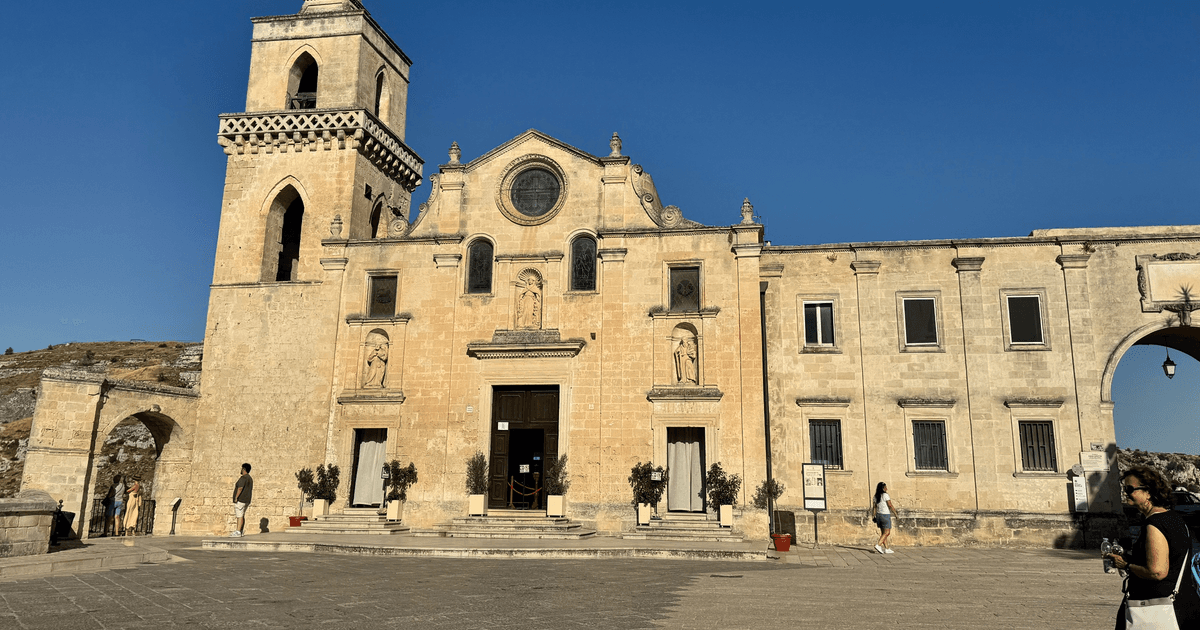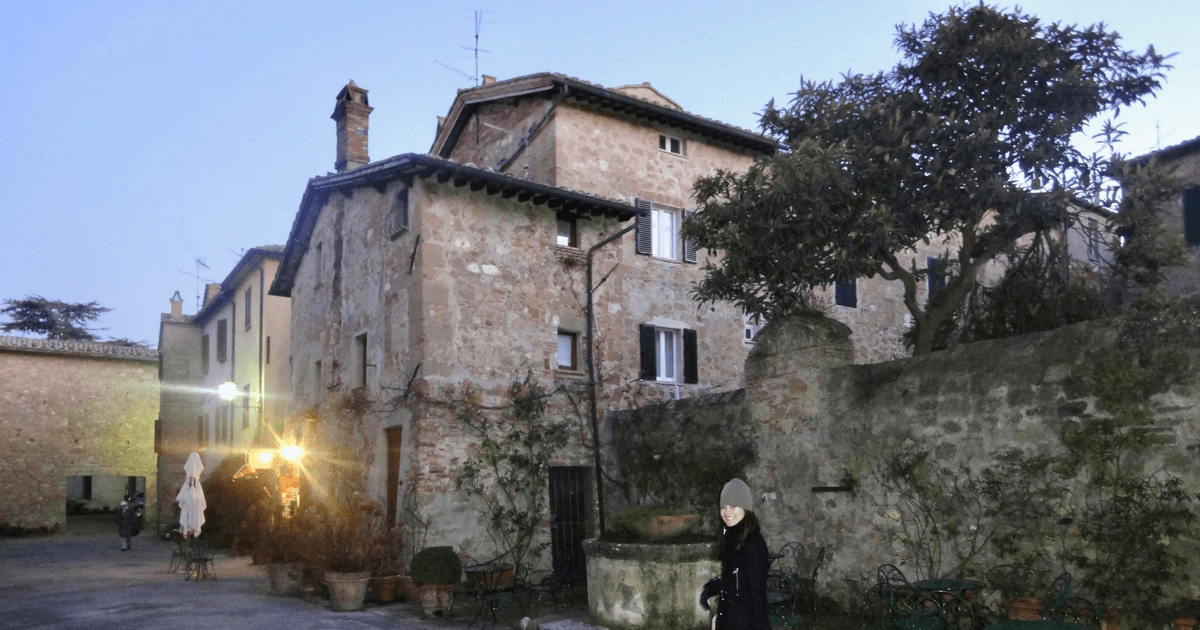
Choosing where to live in Italy can be exciting until you open a map and realize just how many possibilities there are. A beautiful photograph may draw you to a town. But it won't tell you whether the winter bus runs, or how easily you could reach a hospital.
I recommend five steps to get from thousands of possibilities to two or three places worth visiting. The aim isn't to find a mathematically perfect town. It's to find somewhere that could genuinely suit your everyday life.
1. Decide what counts most before looking at towns
Write down four or five things you really cannot compromise on: perhaps your housing budget, mild winter mornings, town size, proximity to a hospital or airport. Then separate those essentials from preferences such as a sea view or a lively summer festival.
If Italy's 7% pensioner tax regime interests you, check whether you qualify separately. The population limit on the published southern-regions route does not establish eligibility on its own, and the law provides other routes.
2. Make your first shortlist
You don't need to investigate Italy's roughly 7,900 comuni one by one. Start with our Italy data tools, which let you narrow choices using measurable criteria.
Apply your must-haves in a consistent order: for example, price, population, January temperatures, and hospital access. Record how many places remain after each filter. If dozens survive, tighten a requirement; if almost none survive, loosen one.
For housing, our OMI explorer uses official Agenzia delle Entrate quotations (currently 2025, second half). These are area-level indicators, not valuations of individual homes.
The Decision tool can also guide you through the questions one by one.
3. Compare what everyday life might feel like
Now look beyond price and climate. Is the population changing? How many foreign residents live nearby? Does tourism transform the town in summer?
Explore our provincial quality-of-life data, regional healthcare comparison, and tourism intensity guide.
A provincial score describes the province, not each town. A regional healthcare score is not a rating of your nearest hospital. Approximate road times refer to the nearest hospital with inpatient beds, not necessarily one with an emergency department, and are estimated from the main town at free-flow speed.
Rather than choosing the highest-scoring town, I recommend writing one sentence for each candidate: What would I gain here, and what would I be giving up?
4. Check what the numbers cannot see
This is the part I wouldn't skip.
The winter journey: Does the bus to the hospital actually run in November or February? Can you get there without a car? Where is the nearest appropriate emergency department?
The year-round town: Are the grocery store, pharmacy and everyday services open in February, not just in August?
The actual house: Compare asking prices of homes you could realistically buy with OMI quotations. Condition, exact location and renovation needs matter. Don't assume there is a universal, acceptable premium over an OMI midpoint.
These practical checks can change which town looks best on paper.
5. Visit two or three towns as a future resident
I recommend visiting on an ordinary weekday, ideally in February. Walk to the shops, try the local transport, and see how the town feels when the vacation crowds are gone. If possible, stay for several days and speak with people who live there year-round.
Ask yourself: Could I build a happy, comfortable routine here? That's a different question from whether you'd enjoy a vacation.
If none feels right, return to your shortlist and reconsider the constraint that ruled out the most promising alternatives.
Before making the move
Town choice is only part of the decision. Residency permission, access to healthcare and how your US pension is taxed require individual checks with qualified professionals. This article is not immigration or tax advice.
Where the numbers come from
We use official Italian sources including ISTAT, Agenzia delle Entrate and the Ministry of Health, alongside clearly identified climate and mapping data. Their vintages and geographic coverage differ. Our data methodology explains those limitations.
I hope these steps make a big decision feel a little more manageable. Which Italian town is on your list for 2027, and what would you want to check before deciding?