Where Americans actually settle in Italy

The 20 Italian provinces with the highest share of American residents, ranked by ISTAT citizenship data as of 2026-08-09. Scroll down — the map behind the list follows along, panning and zooming to wherever you're reading.

The map itself is an illustration, not a boundary map, so its marker positions are approximate. For exact ISTAT boundaries and live per-nationality data, use the interactive data map.

Illustrated map of Italy
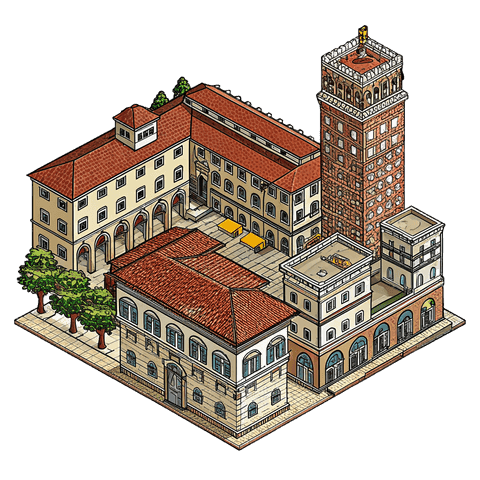
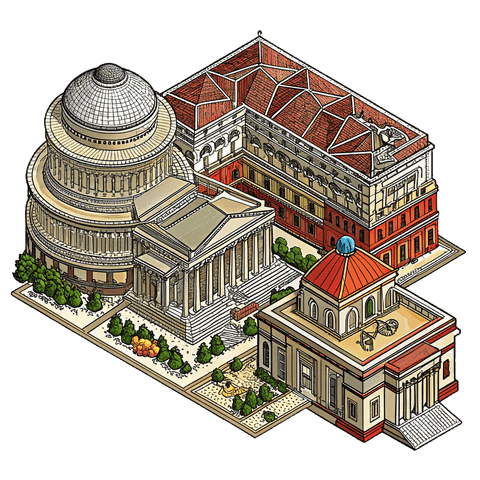
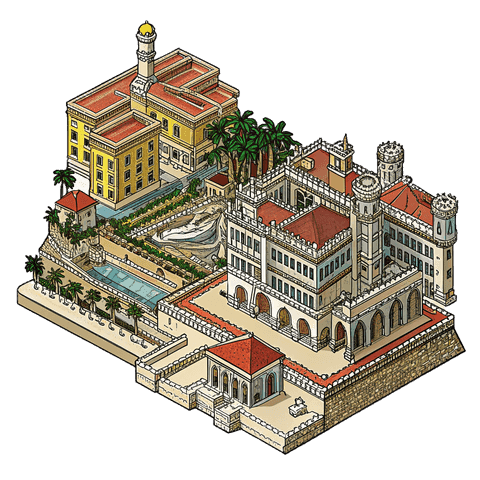
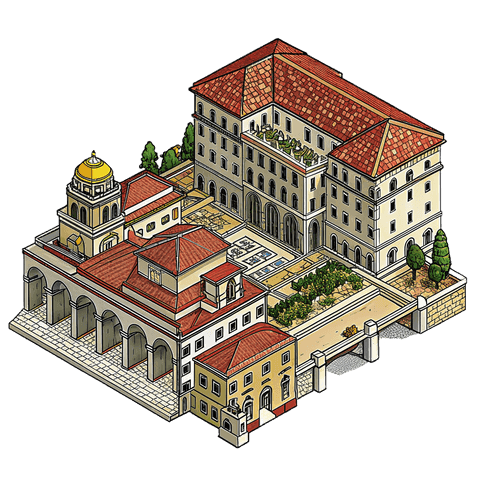
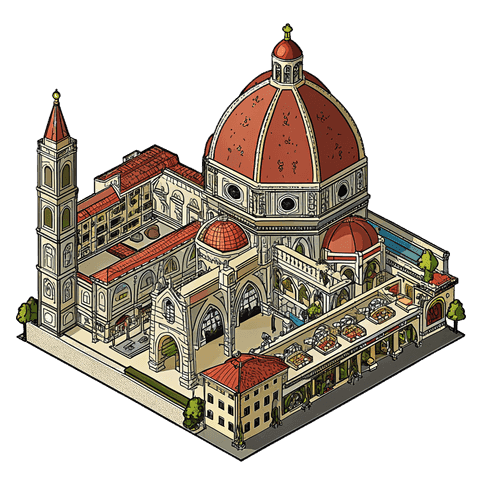
Illustration of a landmark in Firenze
No. 1

Firenze

Toscana

1,229 Americans0.12% of population

↑ rising since 2019

Well-being highlight: strongest in Landscape and cultural heritage (94th percentile among Italy’s provinces).

Founded as the Roman colony Florentia ("flourishing") in 59 BC, Florence grew into the cradle of the Italian Renaissance under the wealthy Medici family. Known worldwide for artistic genius, it holds a fun linguistic flex: the local Tuscan dialect spoken here became the foundation for the modern standard Italian language spoken today.

Full profile →
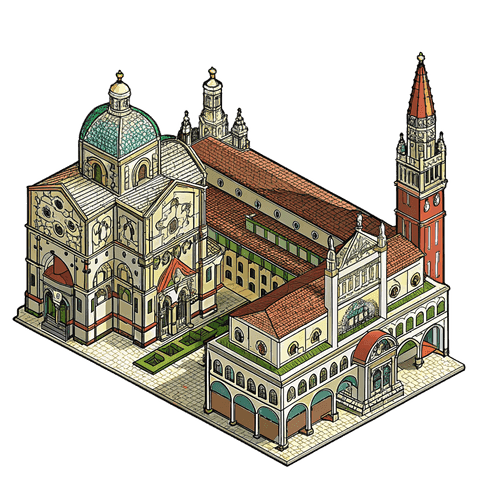
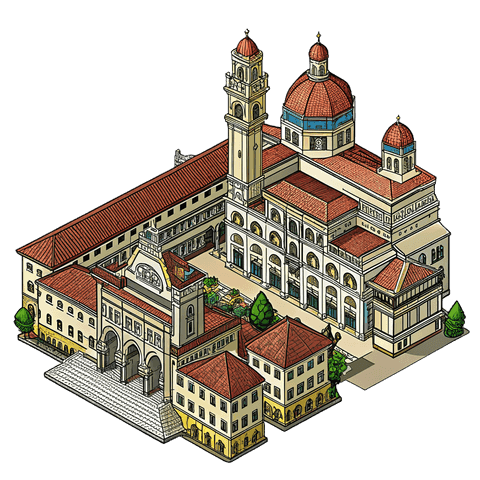
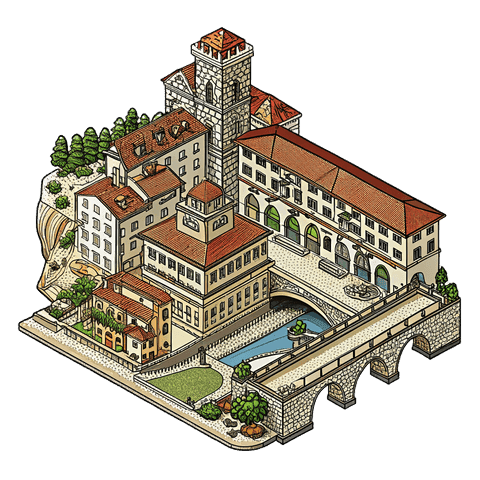
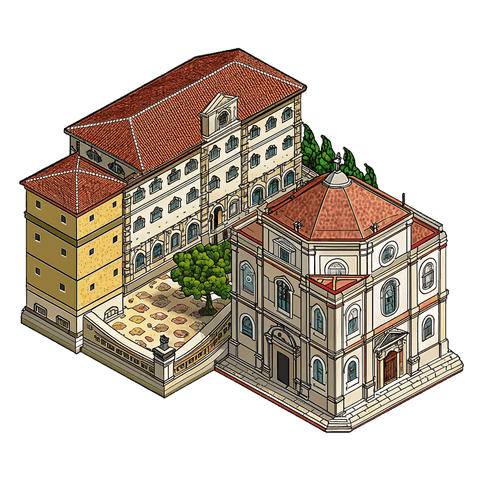
Illustration of a landmark in Pordenone

Friuli-Venezia Giulia

336 Americans0.11% of population

↑ rising since 2019

Well-being highlight: strongest in Social relationships (85th percentile among Italy’s provinces).

Originating from the Latin Portus Naonis ("port on the Noncello River"), Pordenone thrived as a medieval river trade hub. Passed between Habsburg Austrian and Venetian rule, it later transformed into a modern industrial power. Fun fact: Pordenone's surrounding lowlands host "risorgive" — dramatic natural freshwater springs where underground rivers suddenly surge back to the surface.

Full profile →
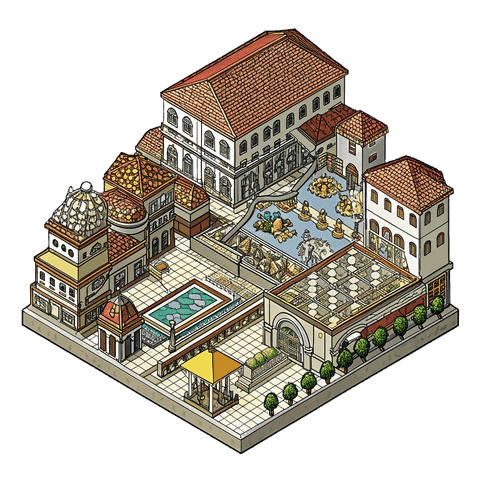
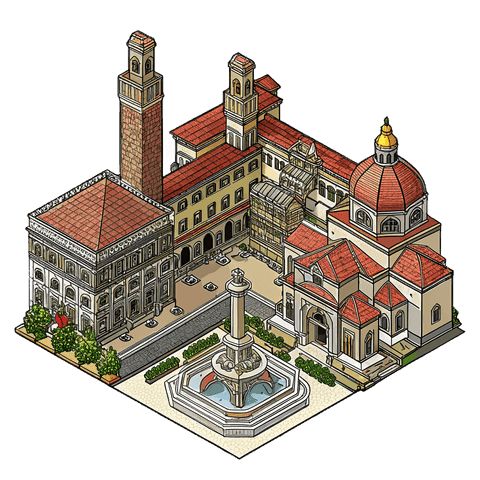
Illustration of a landmark in Terni
No. 3

Terni

Umbria

218 Americans0.10% of population

↑ rising since 2019

Well-being highlight: strongest in Landscape and cultural heritage (83th percentile among Italy’s provinces).

Founded around 700 BC, Terni derives its name from Interamna ("between two rivers"). Famous as an industrial steel center, it is doubly celebrated as the "City of Lovers" because its native son and patron saint is Saint Valentine himself. Fun fact: its landmark Cascata delle Marmore was artificially engineered by ancient Romans.

Full profile →
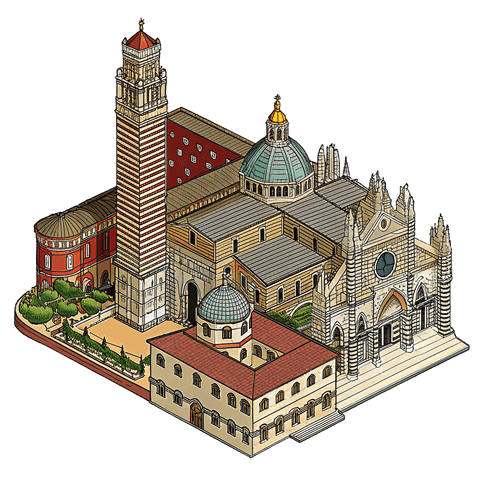
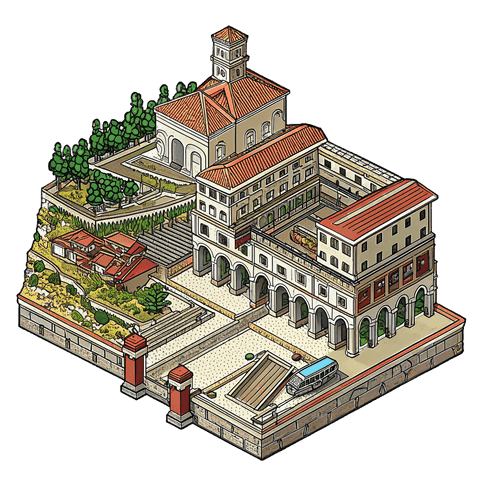
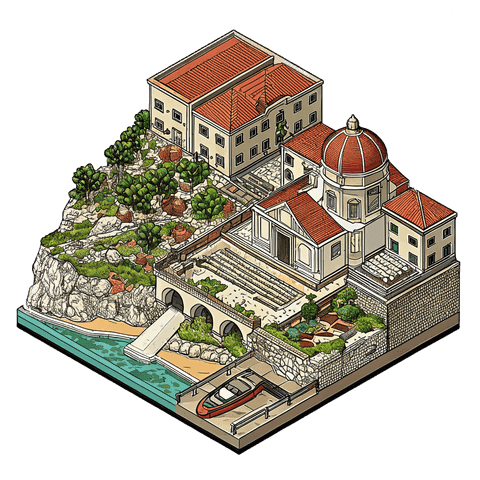
Illustration of a landmark in Siena
No. 4

Siena

Toscana

259 Americans0.10% of population

↑ rising since 2019

Well-being highlight: strongest in Health (85th percentile among Italy’s provinces).

Legend says Siena was founded by Senius, son of Remus, though its name traces to the Etruscan Saina tribe. A fierce medieval rival to Florence, Siena preserves its untouched Gothic heart. Fun fact: its central Piazza del Campo hosts the famous Palio, a frantic bareback horse race where neighborhood districts compete for glory.

Full profile →
Illustration of a landmark in Lucca
No. 5

Lucca

Toscana

354 Americans0.09% of population

↑ rising since 2019

Well-being highlight: strongest in Landscape and cultural heritage (78th percentile among Italy’s provinces).

Settled by Ligurians or Etruscans, Lucca's name likely springs from a Celtic word for "marsh" or "woodland clearing". Famous as an independent republic for centuries, it retains intact Renaissance defensive walls. Fun fact: locals turn the tops of these massive fortress walls into a scenic elevated park for cycling and evening strolls.

Full profile →
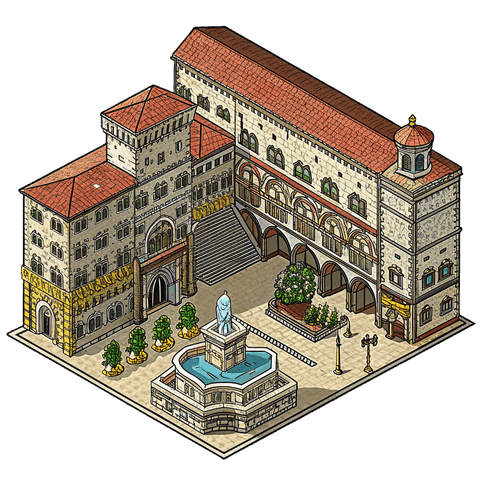
Illustration of a landmark in Perugia
No. 6

Perugia

Umbria

499 Americans0.08% of population

↑ rising since 2019

Well-being highlight: strongest in Education and training (82th percentile among Italy’s provinces).

Dating back to the 6th century BC, Perugia (Perusna) was a major stronghold of the ancient Etruscan League. It evolved into a vibrant university town known for art and scholarship. Fun fact: Perugia is Italy's sweet tooth capital, hosting Eurochocolate and crafting the iconic foil-wrapped Baci hazelnut chocolates since 1922.

Full profile →
Illustration of a landmark in Arezzo
No. 7

Arezzo

Toscana

223 Americans0.07% of population

↑ rising since 2019

Well-being highlight: strongest in Health (70th percentile among Italy’s provinces).

Originally the Etruscan city Aritim, Arezzo is older than Alexandria in Egypt and flourished as a Roman military and craft hub. The birthplace of Petrarch and Vasari, its fun musical claim to fame is native monk Guido d'Arezzo, who invented the modern do-re-mi musical staff notation right here in the 11th century.

Full profile →
Illustration of a landmark in Roma
No. 8

Roma

Lazio

2,642 Americans0.06% of population

↑ rising since 2019

Well-being highlight: strongest in Innovation, research and creativity (74th percentile among Italy’s provinces).

Founded in 753 BC, Rome's name traces back to Romulus or an ancient Etruscan river word (Ruma). As the "Eternal City," it grew from a Tiber kingdom into the heart of a vast empire and the Papacy. Fun fact: Rome contains the world's only sovereign state located entirely within a city — Vatican City!

Full profile →
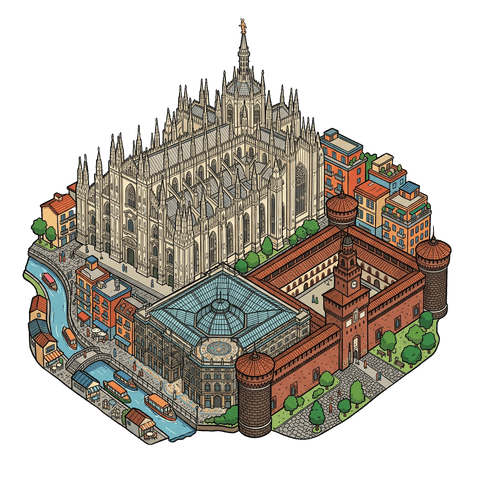
Illustration of a landmark in Milano
No. 9

Milano

Lombardia

1,760 Americans0.05% of population

↑ rising since 2019

Well-being highlight: strongest in Innovation, research and creativity (96th percentile among Italy’s provinces).

Founded by Celts as Mediolanum ("in the middle of the plain"), Milan grew into a powerhouse trade and financial capital. Renowned for fashion and design, it has a quirky historical secret: its famous Duomo cathedral took nearly six centuries to complete, officially wrapping up construction only in 1965!

Full profile →
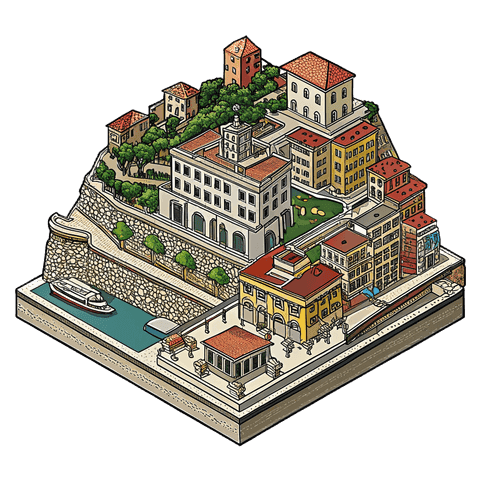
Illustration of a landmark in La Spezia
No. 10

La Spezia

Liguria

115 Americans0.05% of population

↑ rising since 2019

Well-being highlight: strongest in Economic well-being (67th percentile among Italy’s provinces).

Developing from a medieval Ligurian settlement, La Spezia derives its name from Old Italian spezia ("spice" or "apothecary"). Napoleon first envisioned it as a naval base, which transformed the city in the 1860s. Fun fact: the surrounding bay is nicknamed the "Gulf of Poets" after hosting Lord Byron and Percy Bysshe Shelley.

Full profile →
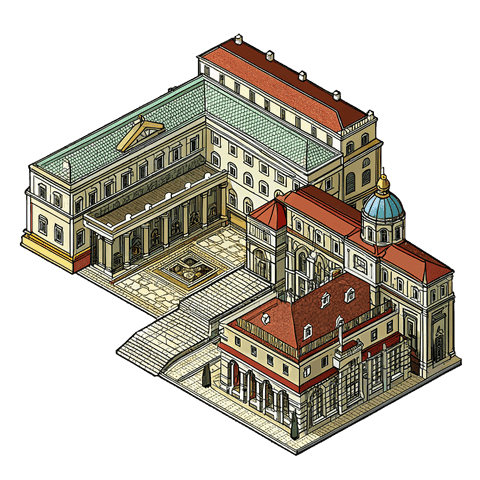
Illustration of a landmark in Vicenza
No. 11

Vicenza

Veneto

449 Americans0.05% of population

↑ rising since 2019

Well-being highlight: strongest in Work and life balance (87th percentile among Italy’s provinces).

Known to the Romans as Vicetia ("victorious"), Vicenza grew under Venetian rule into an architectural treasure trove. Designed by master architect Andrea Palladio, the entire city is a UNESCO World Heritage site. Fun fact: locals bear the quirky Italian nickname magnagatti ("cat eaters"), born from old regional famine legends.

Full profile →
Illustration of a landmark in Trieste
No. 12

Trieste

Friuli-Venezia Giulia

112 Americans0.05% of population

↓ falling since 2019

Well-being highlight: strongest in Landscape and cultural heritage (97th percentile among Italy’s provinces).

Absorbed by Rome as Tergeste, Trieste spent over five centuries under Austrian Habsburg rule as the empire's grand seaport. This created a unique blend of Italian, Slavic, and Viennese cultures. Fun fact: Trieste is the coffee capital of Italy, importing massive coffee shipments and drinking twice as much espresso per person as the national average!

Full profile →
Illustration of a landmark in Imperia
No. 13

Imperia

Liguria

101 Americans0.05% of population

↑ rising since 2019

Well-being highlight: strongest in Health (56th percentile among Italy’s provinces).

Imperia is a unique modern creation, created in 1923 when Mussolini merged two rival coastal towns — Oneglia and Porto Maurizio — naming the new province after the Impero River. Fun fact: the two original towns still fiercely argue over local traditions, but unite over producing some of Italy's finest, delicate Taggiasca olive oil.

Full profile →
Illustration of a landmark in Grosseto
No. 14

Grosseto

Toscana

98 Americans0.05% of population

↑ rising since 2019

Well-being highlight: strongest in Health (60th percentile among Italy’s provinces).

Emerging in the Middle Ages around 803 AD as Grossetum, Grosseto replaced the ancient nearby Etruscan city of Roselle. Tamed from deadly malarial marshlands by historic drainage projects, it is the heart of Tuscany's rugged Maremma region. Fun fact: it is home to Italy's real-life cowboys, the butteri, who still herd cattle on horseback.

Full profile →
Illustration of a landmark in Viterbo
No. 15

Viterbo

Lazio

139 Americans0.05% of population

↑ rising since 2019

Well-being highlight: strongest in Social relationships (69th percentile among Italy’s provinces).

Tracing to the Etruscan era and Roman Castrum Viterbii ("old city"), Viterbo became the papal residence in the 13th century. Fun fact: it hosted the longest papal election in history (1,006 days). Fed up, frustrated locals locked the cardinals inside and tore off the roof to speed up their decision, creating the first official "conclave"!

Full profile →
Illustration of a landmark in Rieti
No. 16

Rieti

Lazio

66 Americans0.04% of population

↑ rising since 2019

Well-being highlight: strongest in Social relationships (93th percentile among Italy’s provinces).

Founded by the ancient Sabines as Reate, legend links its name to the goddess Rhea. Surrounded by mountain sanctuaries where Saint Francis lived, Rieti is historically famous across the peninsula. Fun fact: a stone marker in Piazza San Rufo designates Rieti as Umbilicus Italiae — the official geographic "Navel of Italy"!

Full profile →
Illustration of a landmark in L'Aquila
No. 17

L'Aquila

Abruzzo

121 Americans0.04% of population

↑ rising since 2019

Well-being highlight: strongest in Social relationships (84th percentile among Italy’s provinces).

Founded in the 13th century by Holy Roman Emperor Frederick II, L'Aquila takes its name from the heraldic eagle ("aquila"). Perched high in the Apennines, legend says it was built from 99 surrounding villages. Fun fact: its historic fountain has 99 spouts, each representing one of those original founding hamlets.

Full profile →
Illustration of a landmark in Bologna
No. 18

Bologna

Emilia-Romagna

419 Americans0.04% of population

↑ rising since 2019

Well-being highlight: strongest in Economic well-being (97th percentile among Italy’s provinces).

Originally Etruscan Felsina and later Roman Bononia, Bologna is home to the Western world's oldest university (founded 1088). Nicknamed La Grassa ("The Fat One") for its world-class cuisine, its fun claim to fame is its 62 kilometers of medieval covered porticoes, protected as a UNESCO site for walking shade and shelter.

Full profile →
Illustration of a landmark in Gallura Nord-Est Sardegna

Sardegna

65 Americans0.04% of population

↑ rising since 2019

Derived from gallus ("rooster") — an emblem used on medieval Sardinian coats of arms — Gallura was an independent judicial state in the Middle Ages. Defined by granite hills and turquoise seas, its fun fact is linguistic: locals speak Gallurese, a dialect closer to Corsican southern dialects than standard Sardinian!

Full profile →
Illustration of a landmark in Isernia
No. 20

Isernia

Molise

32 Americans0.04% of population

↓ falling since 2019

Well-being highlight: strongest in Social relationships (79th percentile among Italy’s provinces).

Originating as Aesernia, an ancient Samnite stronghold that later became a Roman colony, Isernia sits in Italy's quietest region. Fun fact: archaeologists at the nearby La Pineta site discovered Europe's oldest confirmed human campsite — complete with stone tools and bone caches dating back over 700,000 years!

Full profile →